Municipality · Vietnam
Ho Chi Minh City
Modern city energy, the carefully preserved rooms of Independence Palace, and a day at the Củ Chi tunnels.
One canonical city journal
Everything for Ho Chi Minh City, together
Modern city energy, the carefully preserved rooms of Independence Palace, and a day at the Củ Chi tunnels.
This page consolidates the city’s writing, photographs, mapped stops, practical detail, and locally matched saved places. Regional route pages remain useful for wider context, but this is the stable journal URL for Ho Chi Minh City.
Consolidated journal
Descriptions, photographs, and details
The entry below preserves the useful material that previously lived on an independent journal page.
28 September
Arrive in the city, then give Củ Chi its own day
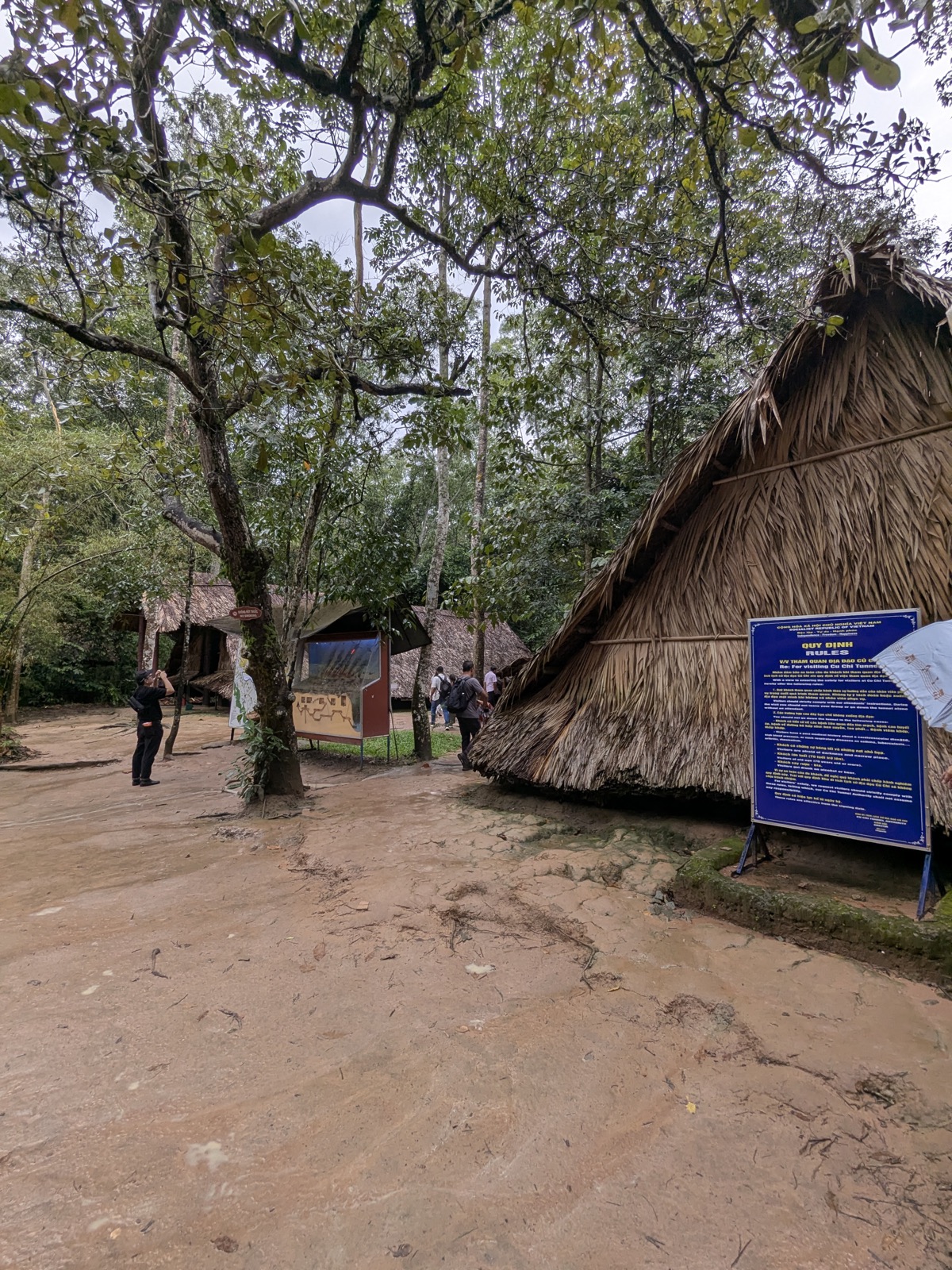
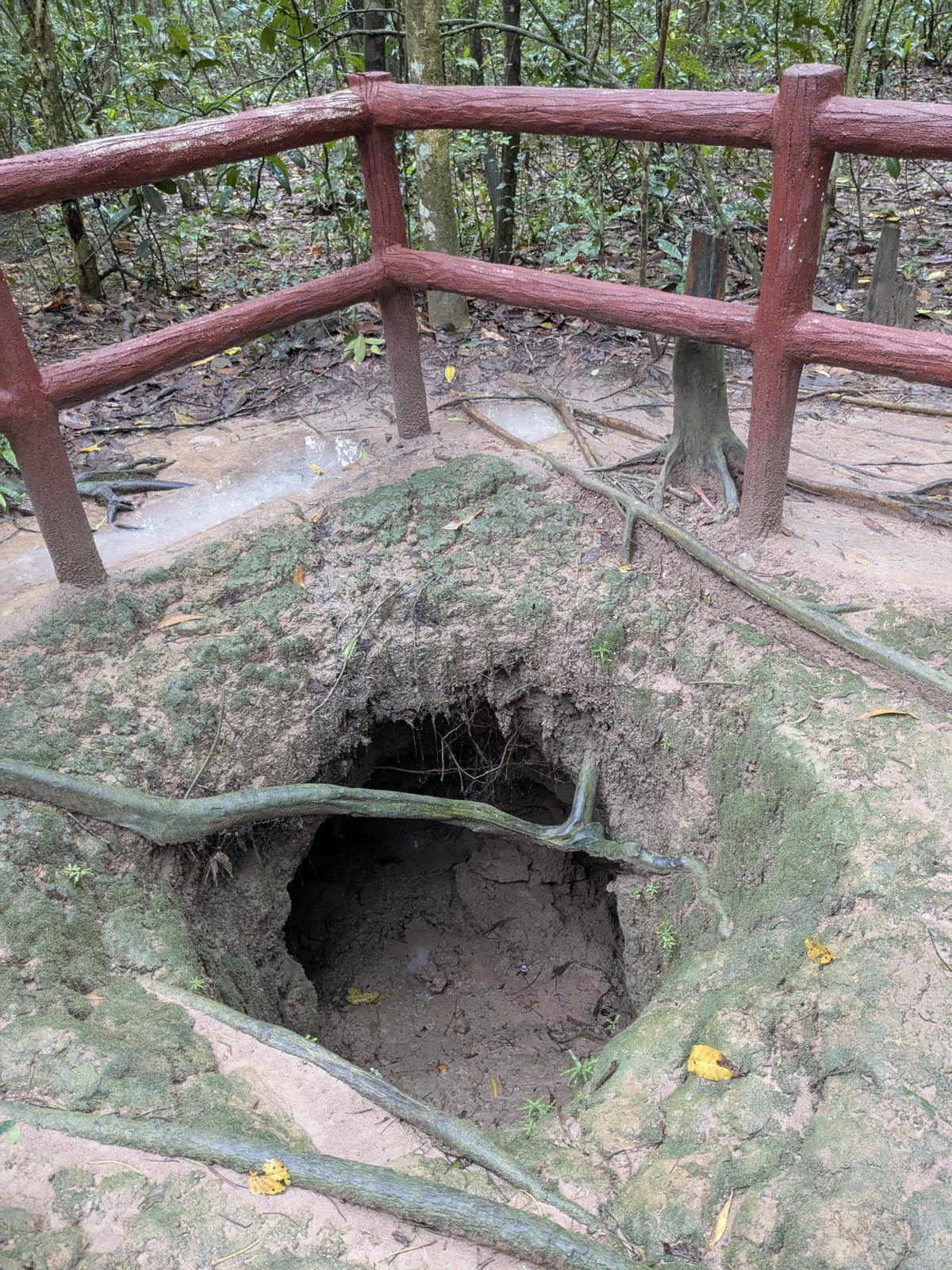
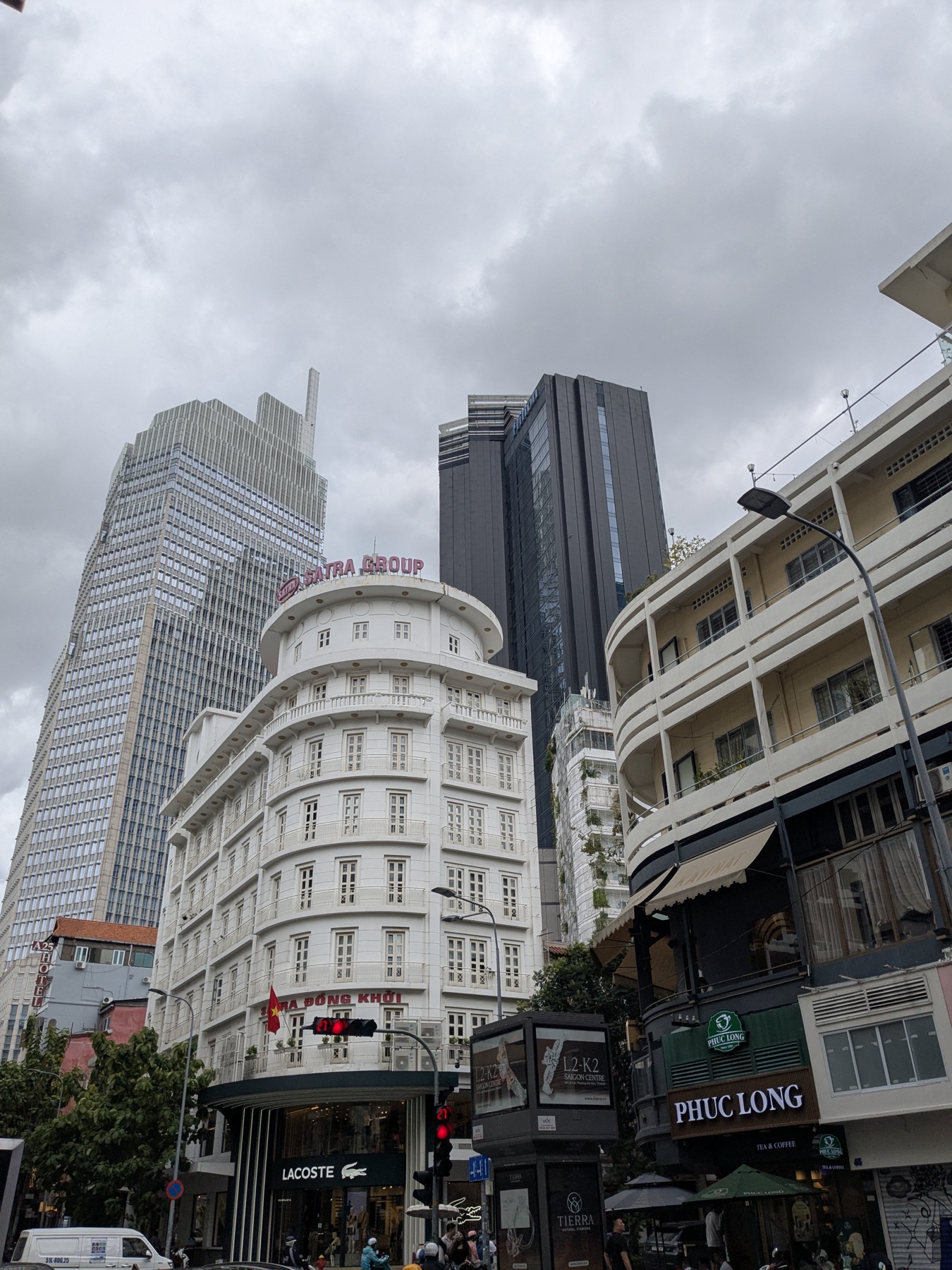
The first photographs begin among older low-rise façades and the sharp vertical lines of central Ho Chi Minh City before the route turns northwest. At Củ Chi, broad roads give way to wet forest paths, thatched structures, concealed entrances, and preserved military equipment. The change in setting makes the distance from the centre feel essential rather than incidental.
29 September · Central city
Let the palace unfold slowly
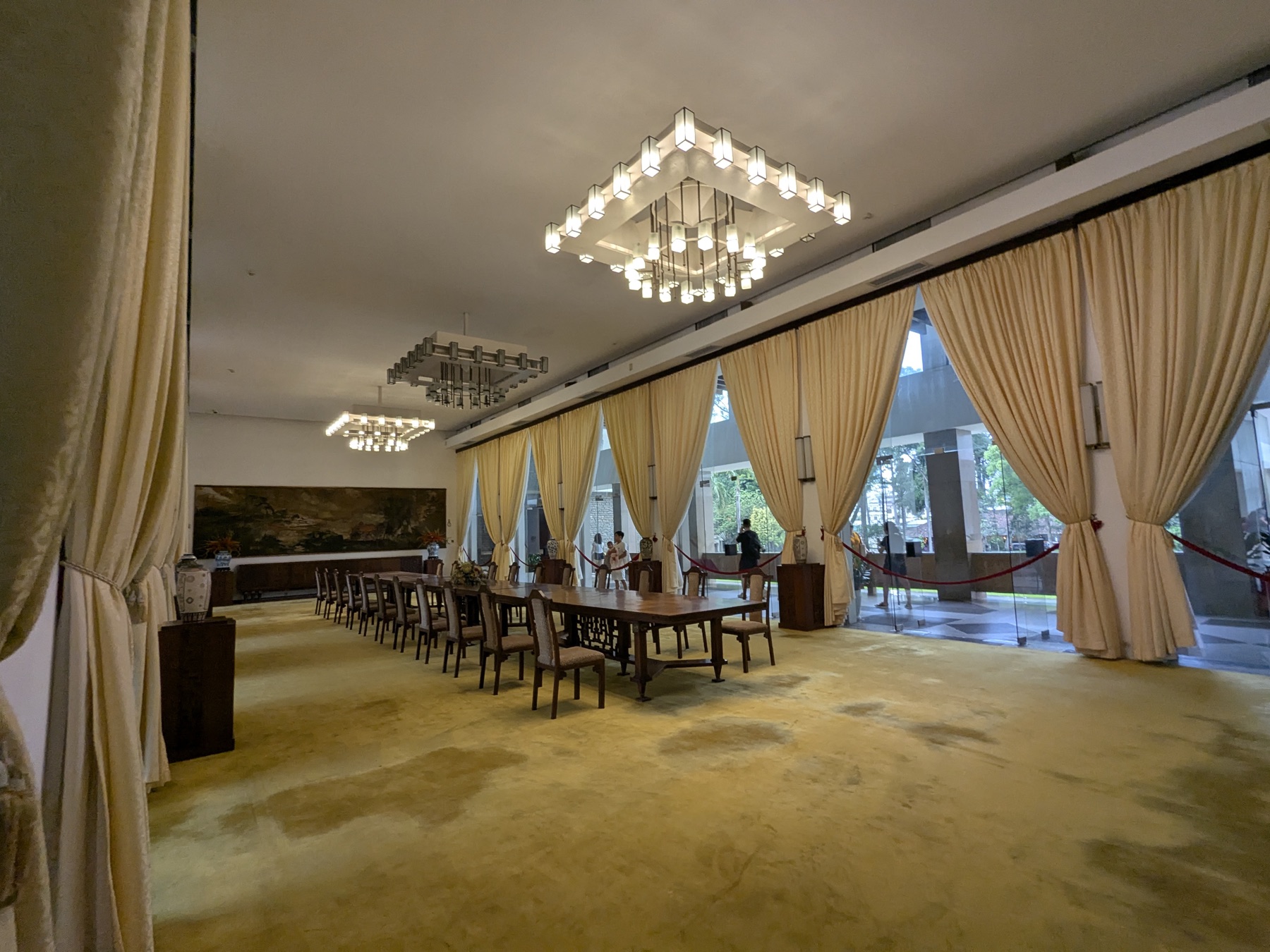
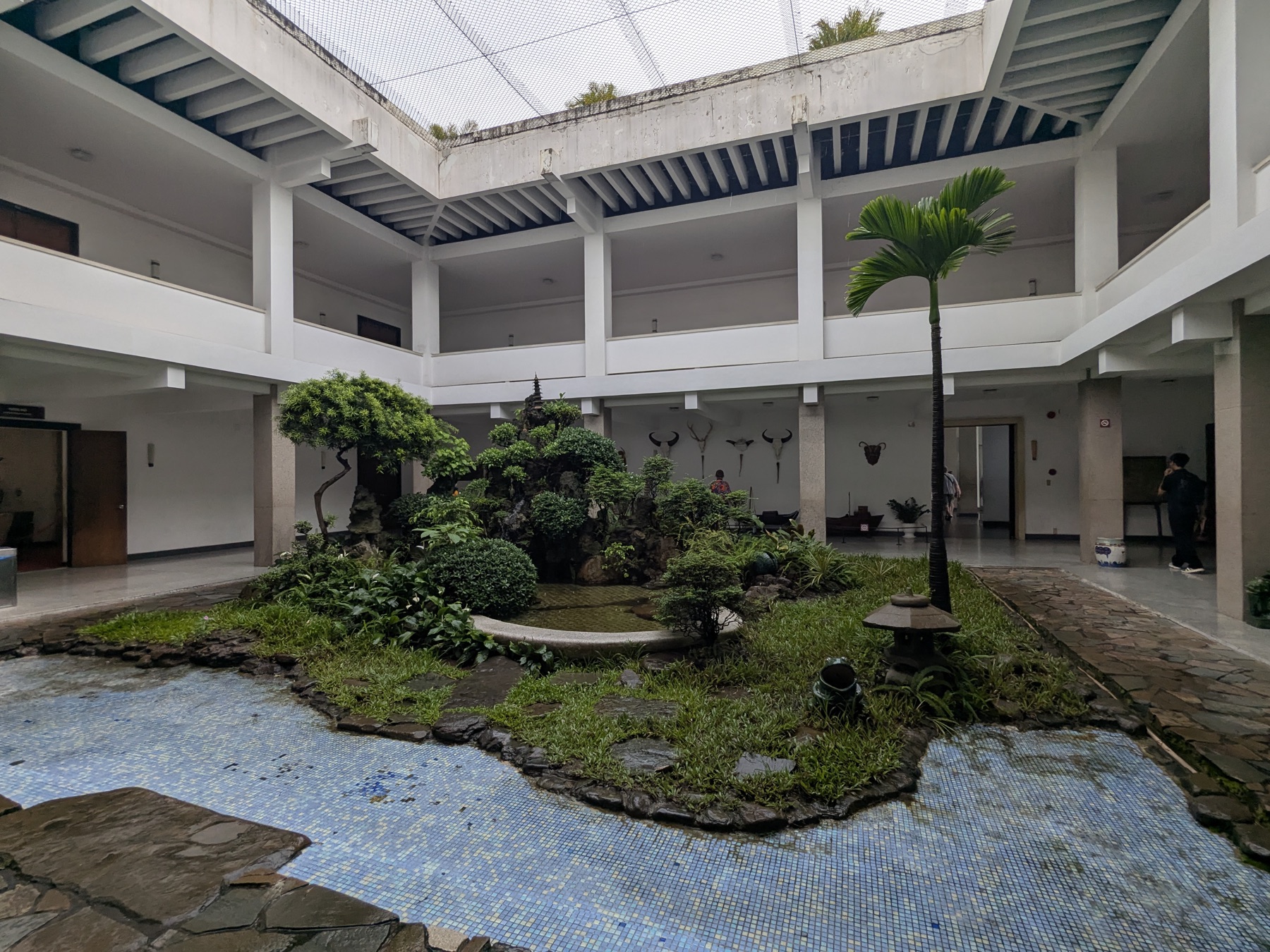
Independence Palace—also called Reunification Palace—rewards time rather than a quick exterior photograph. The visit moves through large reception rooms, period furniture, long carpets, and a sequence of administrative spaces that still carry the visual language of the 1960s.
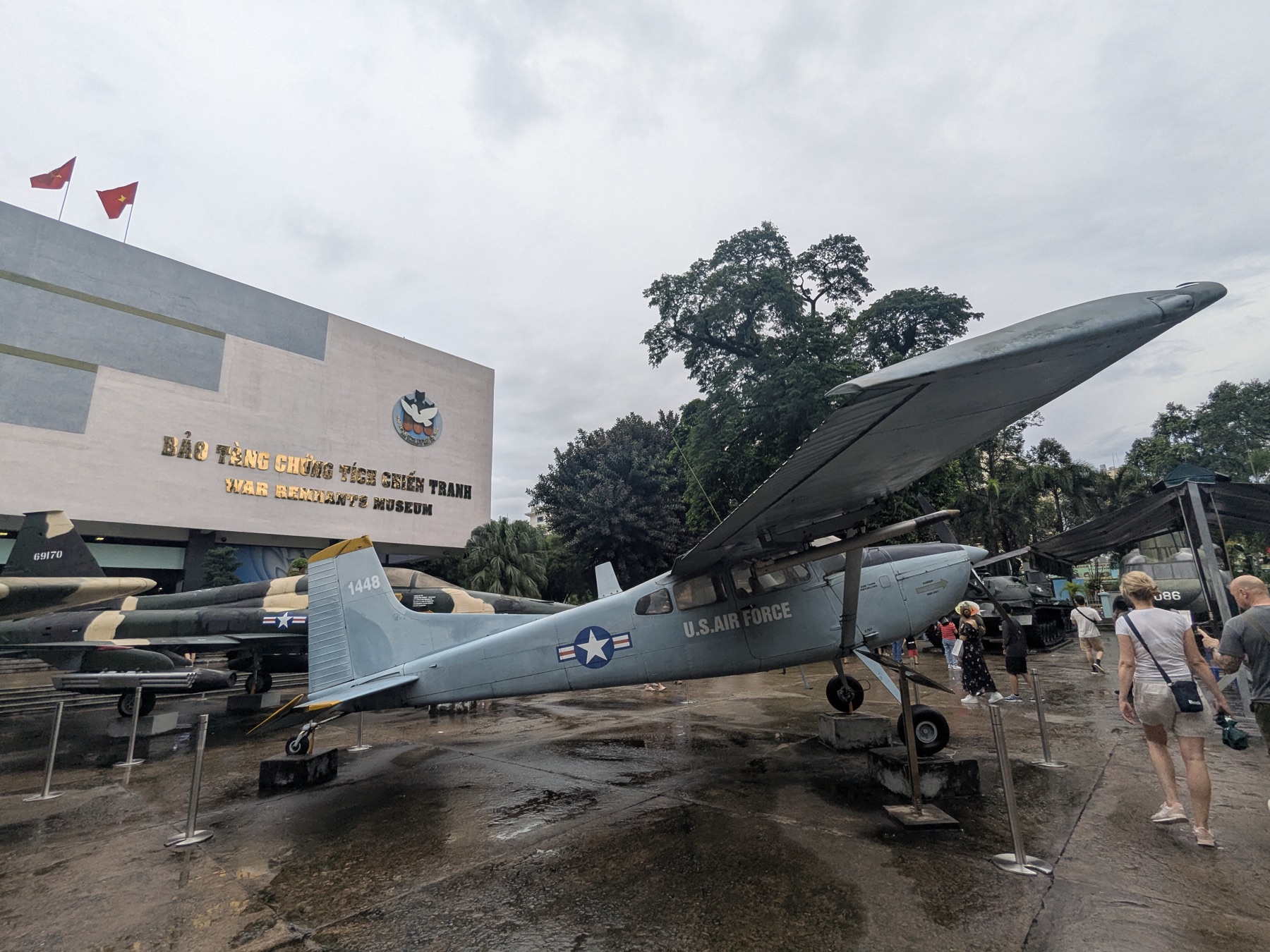
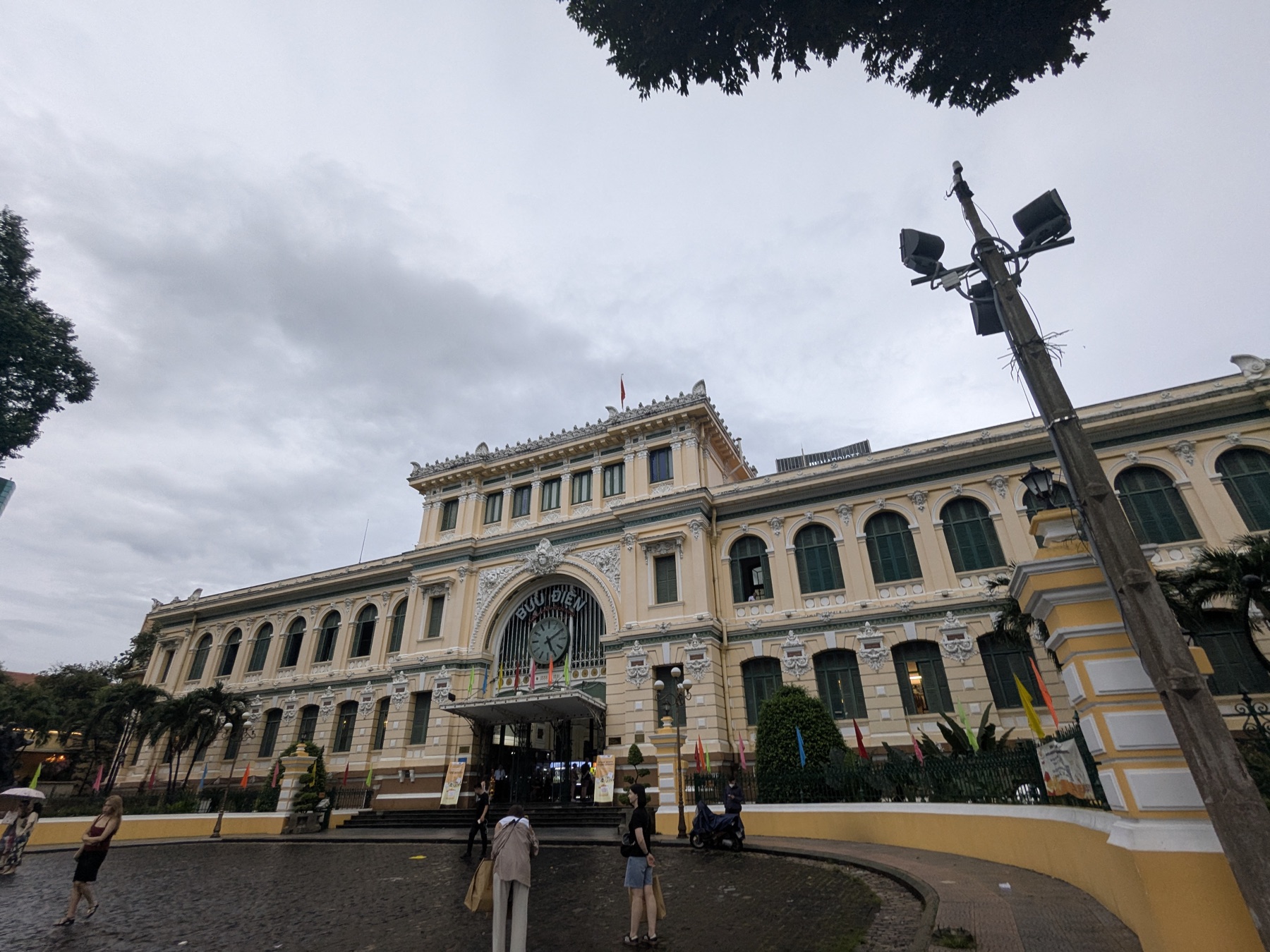
The following route continued to the War Remnants Museum and Saigon Central Post Office. Aircraft and armoured vehicles fill the museum’s exterior before the galleries move into difficult documentary history; the post office restores the street’s scale through its yellow façade and vaulted public hall.
The personal review notes remember spending several hours here, with the rooftop helipad and basement command rooms making the strongest impression. The old telephones, narrow corridors, and working spaces below ground change the mood entirely after the bright rooms and green gardens above.
Northwest of the centre
Treat Củ Chi as a separate journey
Củ Chi is not a quick extension of the palace visit. The forest setting, surface shelters, and tunnel entrances need their own half or full day, including travel beyond the central city. The physical scale is the lesson: paths and structures that appear ordinary above ground connect to a deliberately constrained world below it.
The subject is war and survival, so the route works best when approached as a historical site rather than an adventure attraction. Listen to the interpretation, follow staff directions, and never feel obliged to enter a tunnel if enclosed spaces or limited mobility make it uncomfortable.
Second frame
Two days, six distinct frames
Before you go
Build the day around contrast
Give the palace time
The interior sequence, rooftop, basement, and gardens merit a few unhurried hours.
Separate the tunnels
Củ Chi sits well beyond the centre; account for traffic and the return journey.
Know your limits
Tunnel sections can be hot, narrow, and physically demanding. Surface routes remain meaningful.
Keep context central
Both sites deal with contested history. Read the interpretation critically and respectfully.
Field impressions were adapted from the author’s public Google Maps reviews .
Context
Official reading
Destination context was checked against Vietnam Tourism’s guides to central Ho Chi Minh City and the Củ Chi tunnels . Verify current opening times, access arrangements, and ticketing before travelling.
Broader route context remains in the source travel guide.
Personal shortlist
Want to Go places around Ho Chi Minh City
These pins come from the personal Google Maps Want to Go collection and fall inside this city’s mapped boundary or local radius. Every matching pin is available on the searchable map above.
Journal notes
Use this as a living travel record
Verify current access
Opening hours, permits, transport, weather, and local rules can change after a journal entry is written.
Read the map selectively
The saved list is a set of possibilities, not a checklist. Filter it and build a route around one compact area at a time.
Distinguish visits from ideas
Green journal stops are documented or photographed; red Want to Go pins remain future possibilities.
Add the next chapter here
Future descriptions and photographs now have one stable city page instead of being split among collection pages.