Travel archive · 2015–2018 and public field notes
Karnataka: city, stone, forest
A route assembled from personal photographs and public Google Maps contributions: Bengaluru neighbourhoods, Hampi’s monumental landscape, Mysuru’s palaces, hill forts, granite climbs, and the rain-soaked Western Ghats.
How this route was recovered
Reviews establish stops; photographs rebuild the journey
Google Maps exposes only a small recent slice of the public profile when viewed while signed out. That slice is strongly concentrated in Bengaluru, while older review text indexed on the public web confirms Hampi and Agumbe. The personal archive then supplies the wider route: Mysuru, Srirangapatna, Chitradurga, Nandi Hills, Savandurga, Kodachadri, Koodlu Falls, Anthargange, Avani, Pushpagiri, Kunti Betta, and the Mookambika forest.
This page treats those records as a travel diary, not as a claim that every venue is unchanged today. Review observations are identified as firsthand notes; route context comes from dated photograph folders. Opening hours, trail access, and transport should always be checked again before a new visit.
The living city
Bengaluru is a network of neighbourhood tables
The newest visible reviews form a cross-city food trail rather than a list of monuments: Misu at 1 Sobha, Yak Kitchen, Siam Gaja, Tyla, Pixi, Dolphins in Cox Town, Ironhill at Forum South Bengaluru, Toit, Shikshaka Sadana, and Stories Brewery & Kitchen. Together they sketch the city as it is actually used—one neighbourhood, gathering place, and dinner plan at a time.
An older indexed review of Taproom by Sherlock’s adds useful texture: a multi-level pub with indoor, open, and rooftop seating, a broad menu, and a theatrical old-Britain decorative theme. The note also records the trade-off that matters in practice: atmosphere and choice came with higher pricing.
Choose an area first
Bengaluru travel time can outweigh distance. Build an evening around one neighbourhood.
Keep notes time-stamped
Menus, management, and quality change. Treat an old review as a memory, not a guarantee.
Look beyond landmarks
The 2015 sightseeing folder and later dining notes show two equally valid versions of the city.
Plan the return
Cluster saved places by neighbourhood so the archive can grow into practical local routes.
Vijayanagara landscape
Hampi needs time for the spaces between monuments
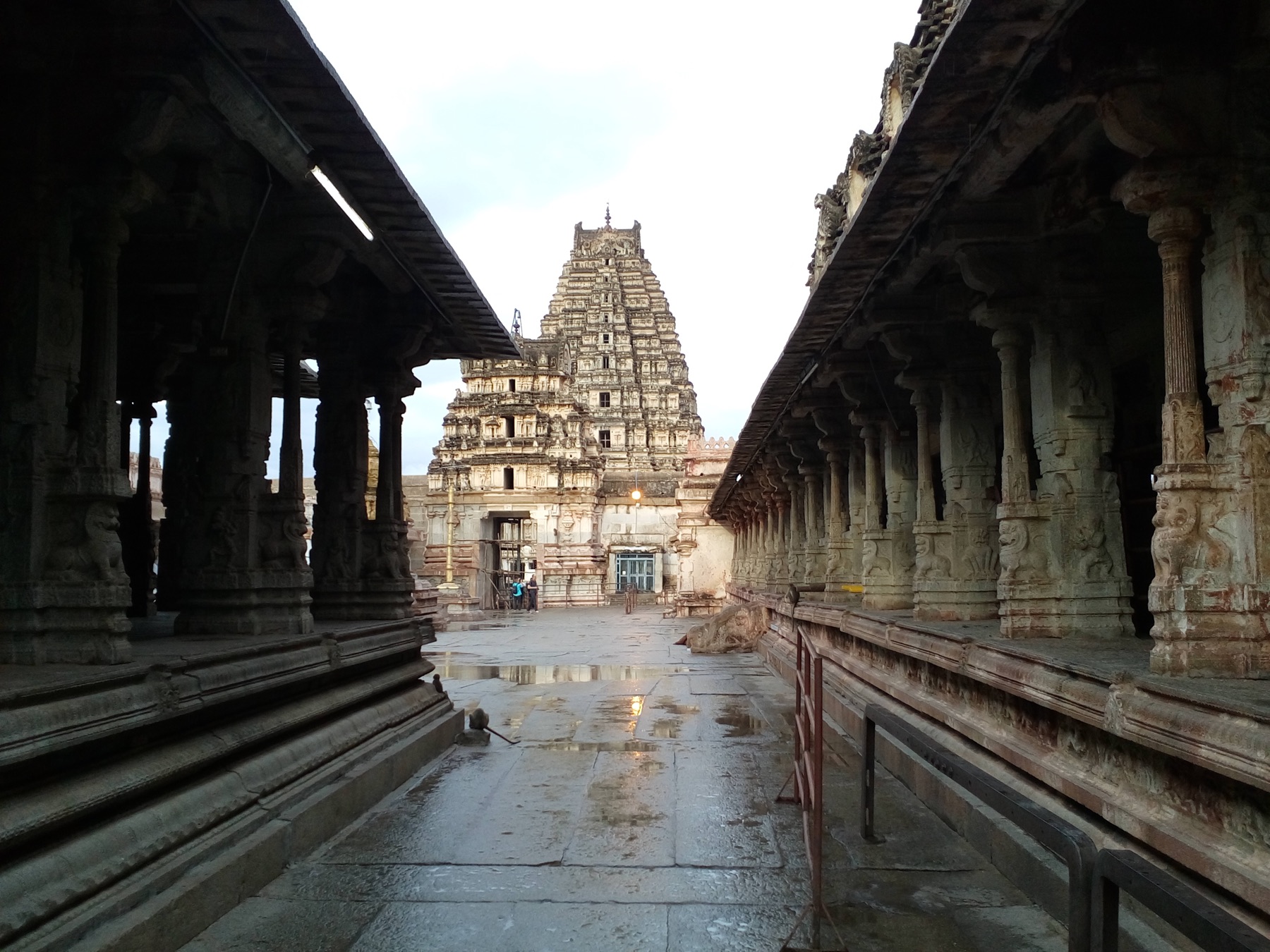
The July 2016 photographs move between temple courts, colonnades, boulder fields, river edges, and long ceremonial approaches. Hampi is not one building enlarged into a destination; it is an urban and sacred landscape whose water systems, roads, markets, and enclosures still make sense when walked in sequence.
A publicly indexed firsthand review calls Manmatha Tank near Virupaksha Temple picturesque. It is a small observation, but a valuable one: the tanks, channels, and reflective surfaces are not merely background. They help explain how the settlement related architecture to the Tungabhadra basin.
Sacred centre
Begin around Virupaksha, its courtyards, bazaar axis, Hemakuta Hill, and nearby water structures.
Riverside
Let the Tungabhadra and boulder landscape connect the monumental clusters.
Royal centre
Read enclosures, platforms, baths, and stables as parts of a planned city.
Vittala complex
Reserve enough time for the long approach, pillared halls, and the stone chariot.
Southern heritage circuit
Pair Mysuru with Srirangapatna; give Chitradurga its own day
The 2015 and 2017 Mysuru folders record palace interiors, city-scale ceremony, and a destination designed to be experienced both by day and after illumination. A separate 2016 Srirangapatna journey follows the Kaveri to a fortified island town where temples, military history, and river geography overlap.
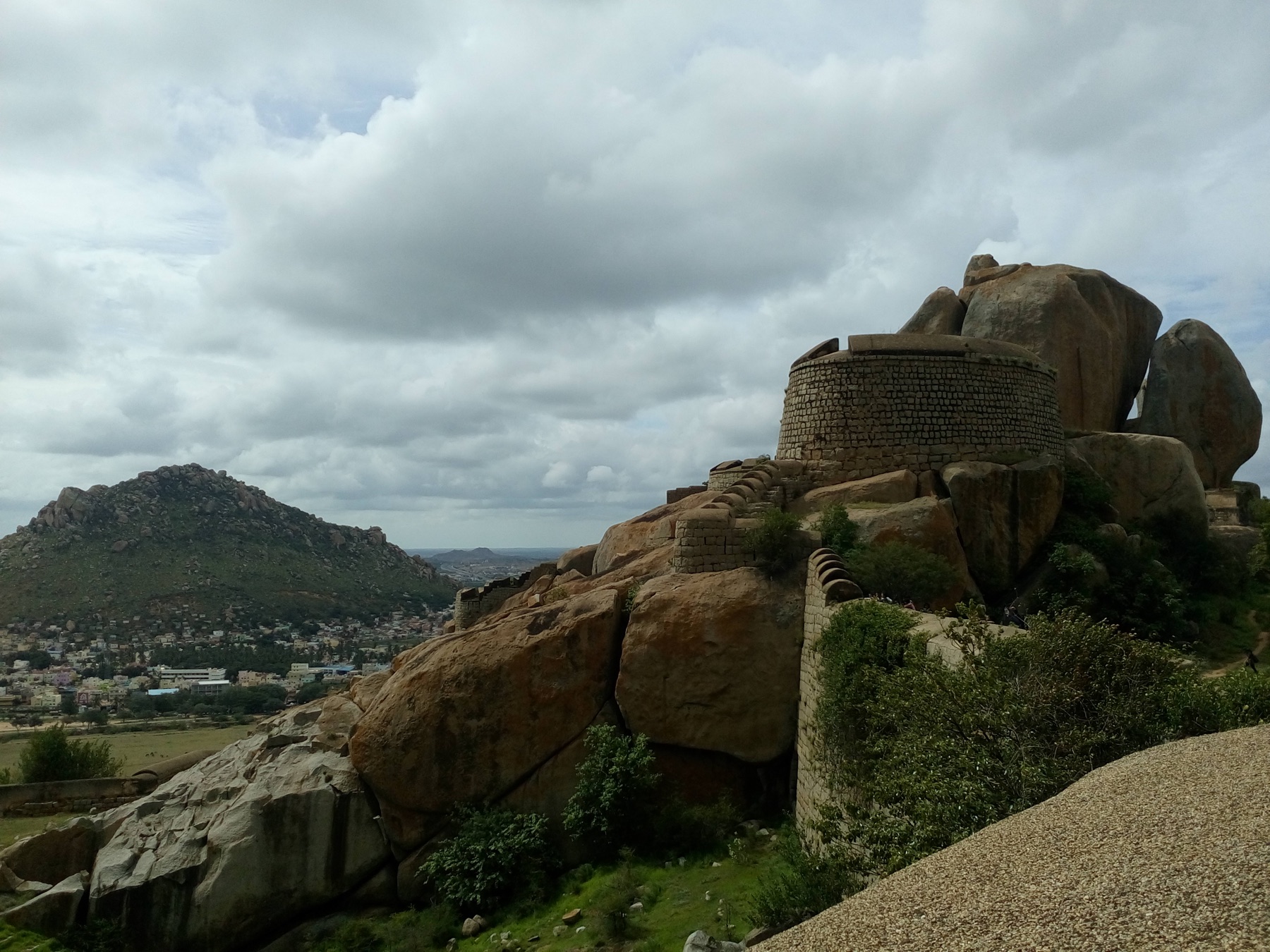
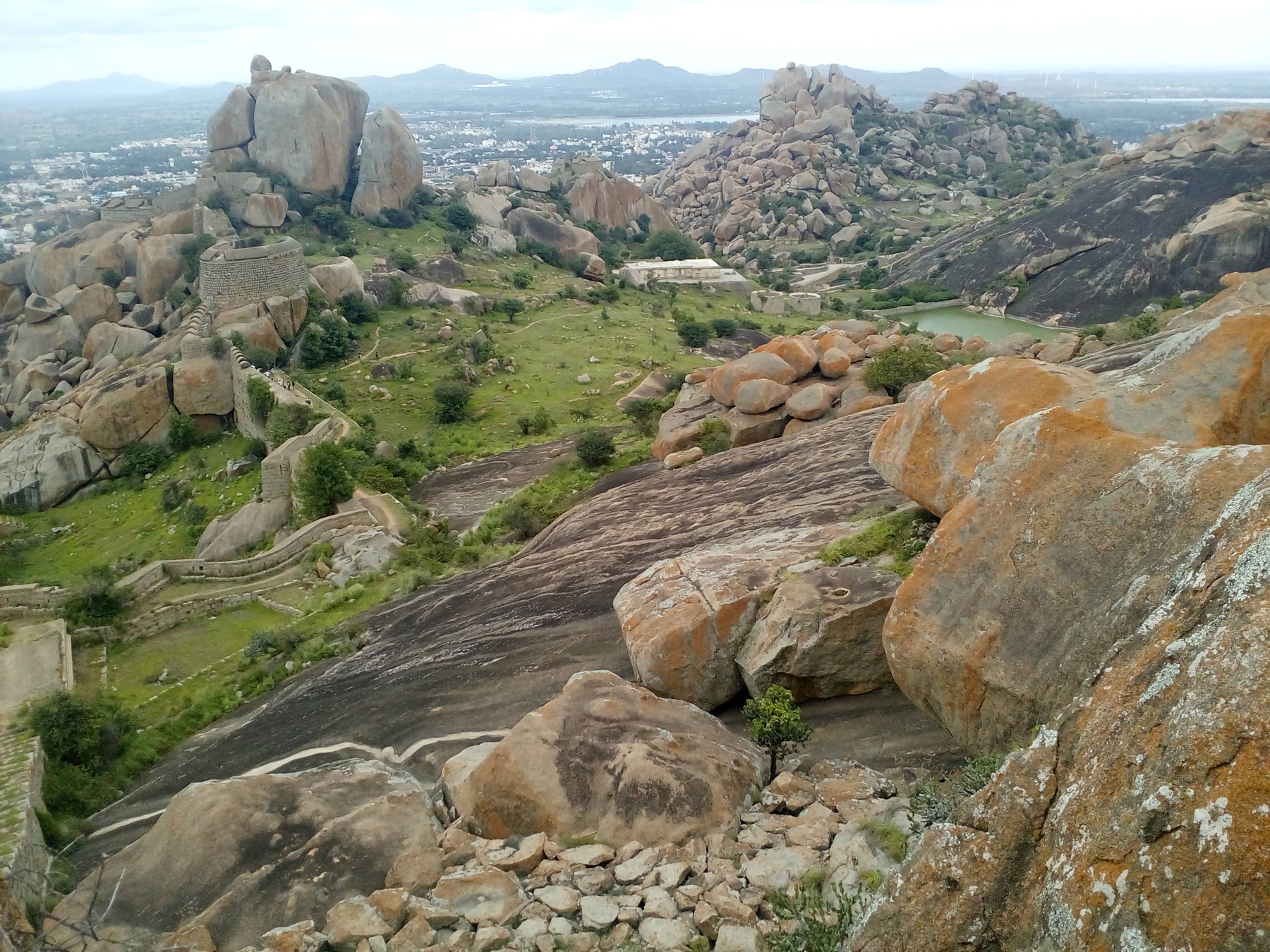
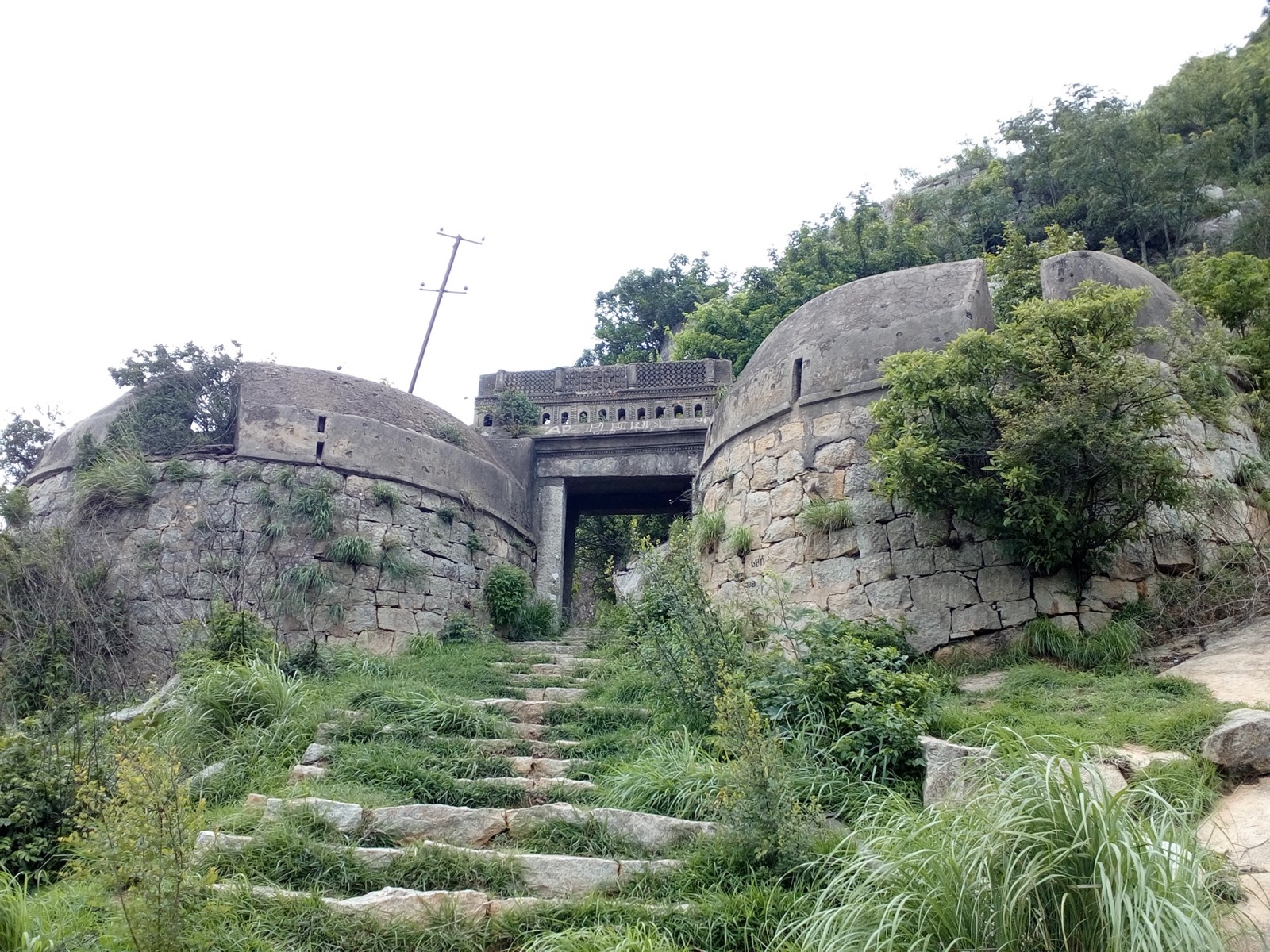
Chitradurga works differently. Its fort climbs through repeated gateways and natural boulders, revealing reservoirs and defensive positions in stages. It is better treated as a walking landscape than as a roadside stop between cities.
Firsthand trail note
Agumbe rewards care more than speed
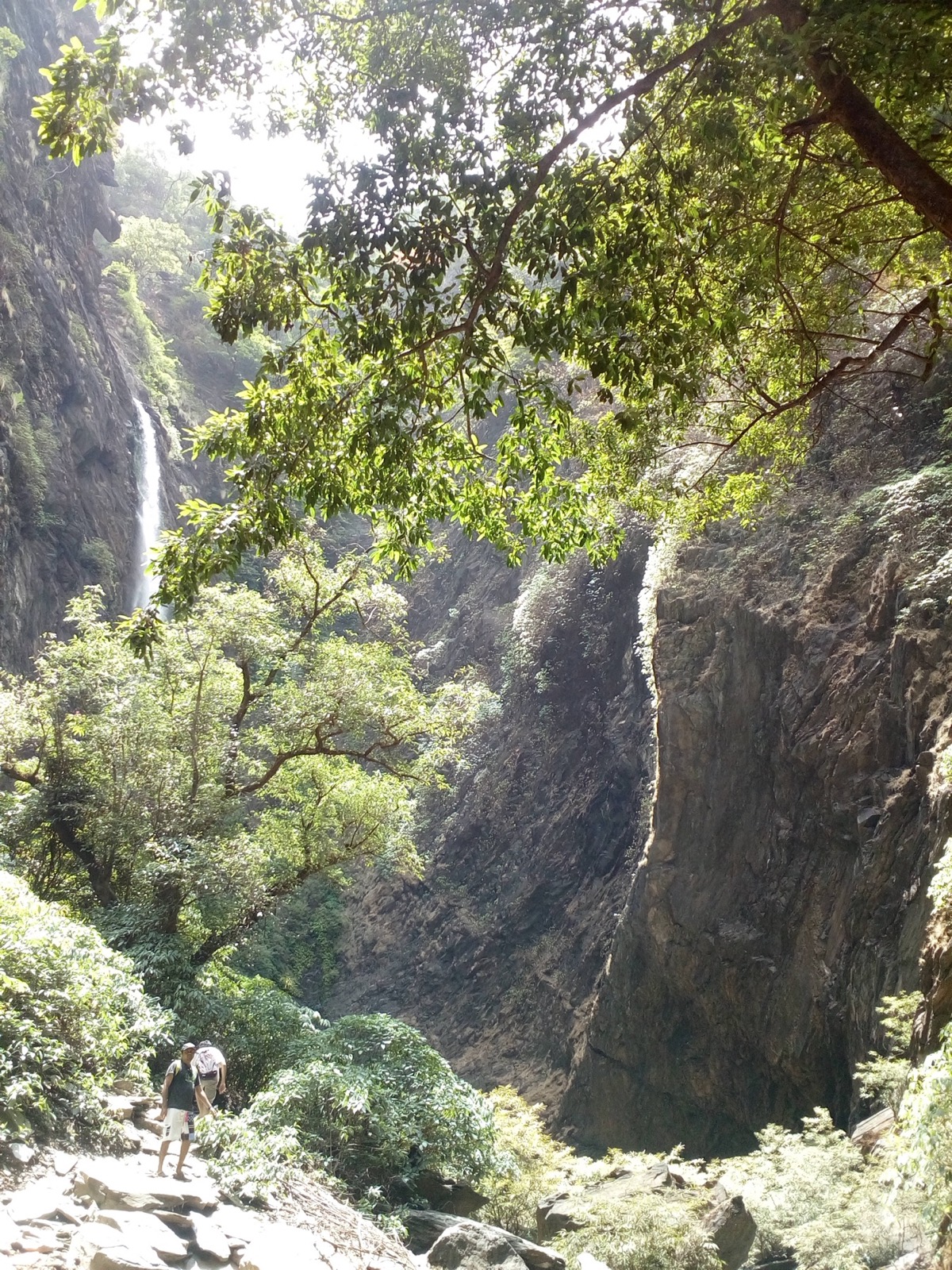
An indexed review of Onake Abbi Falls remembers an impressive waterfall reached by a forest walk that was manageable for adults but unsuitable for very small children or some older travellers. Just as importantly, the review records litter and disturbance around the trail. That is practical travel information and an ethical reminder: fragile rainforest stops should be left quieter and cleaner than they were found.
Karnataka Tourism identifies Agumbe with rainforest, waterfalls, biodiversity, and sunset views. Conditions are seasonal, and access can change with rain. A responsible plan uses current local guidance, carries waste back out, and avoids treating wildlife habitat as an amusement area.
Ridges and forest
Kodachadri broadens the route into the Western Ghats
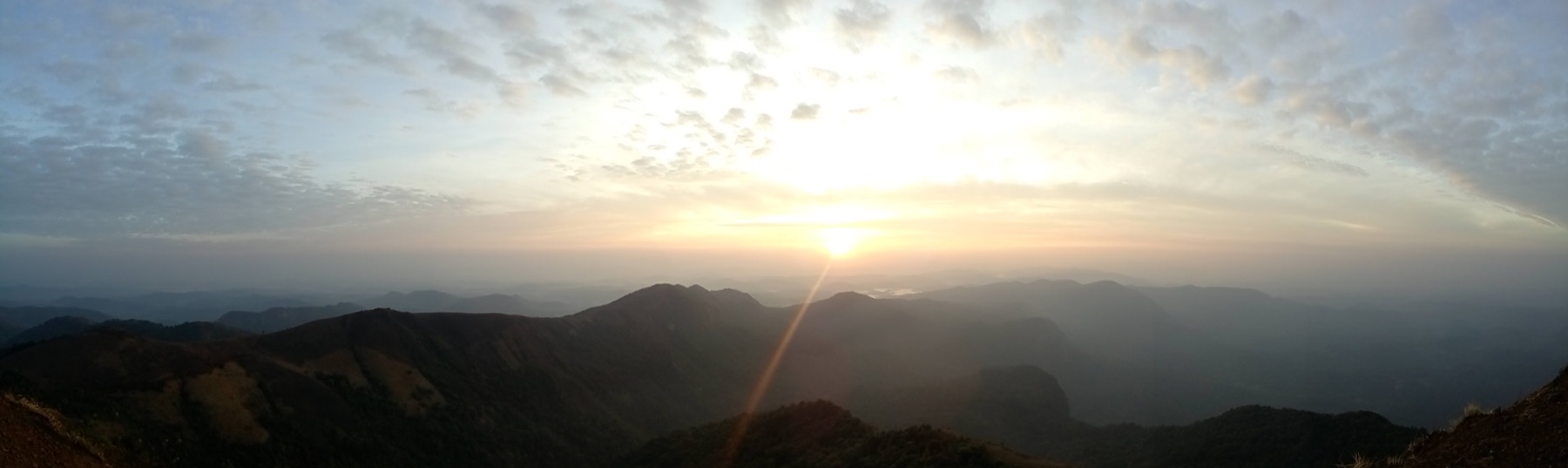
The Kodachadri and Mookambika forest photographs from January 2017 hold the journey’s most expansive views: the ridge layered against a pale horizon, steep tracks, and long changes in light. Nearby archive folders for Koodlu Falls and Pushpagiri reinforce the same lesson—distance on a map does not describe the physical effort or the weather on a Ghats trail.
These places belong in a separate outdoor itinerary with daylight margins, appropriate footwear, water, and local access checks. The mountain is the subject; the photograph is only a record of how briefly the route opened at sunrise.
From Bengaluru
Granite hills make short distances feel substantial
Nandi Hills
Start before the heat and crowds, then slow down around the ridge rather than racing a sunrise.
Savandurga
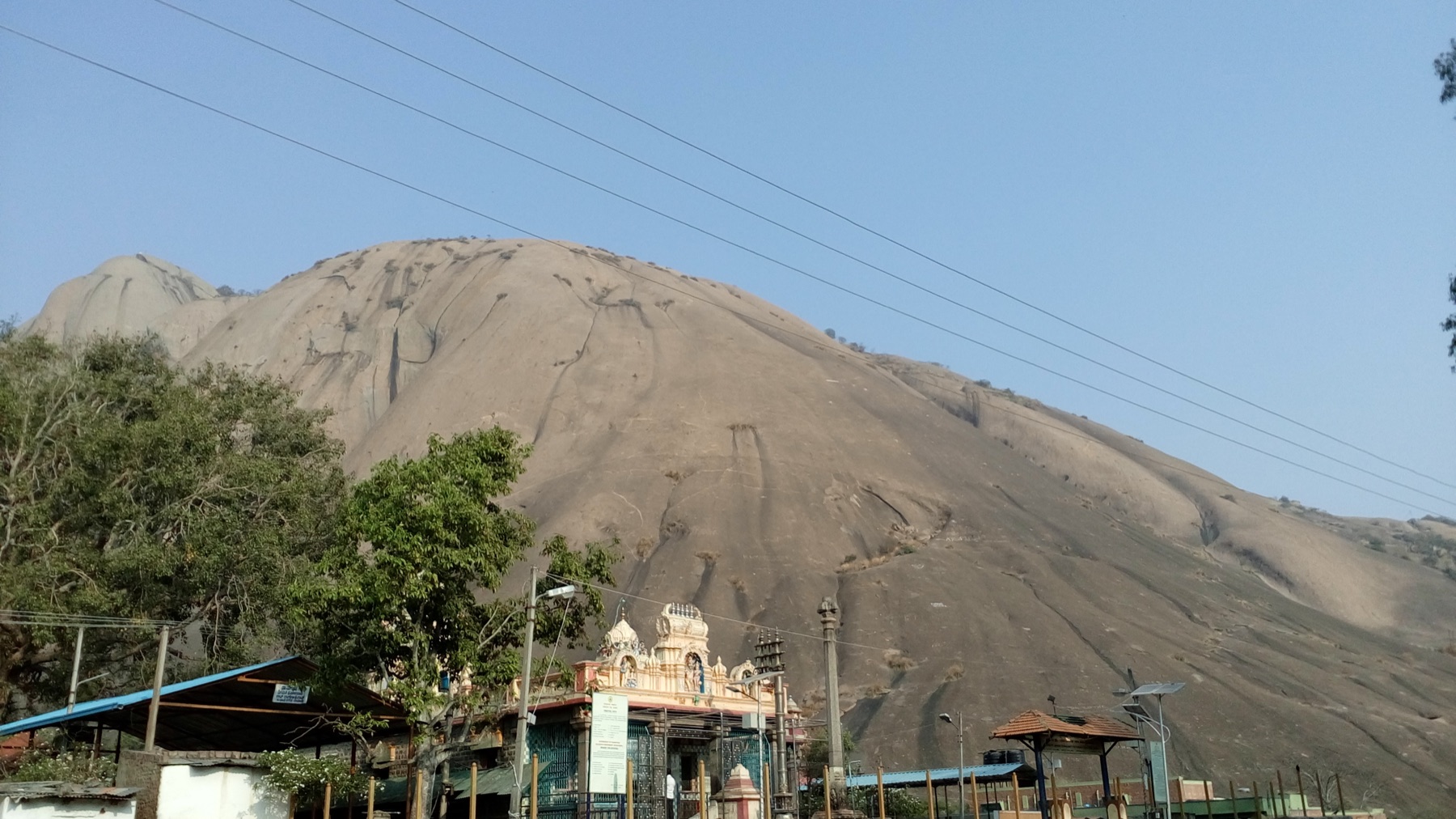
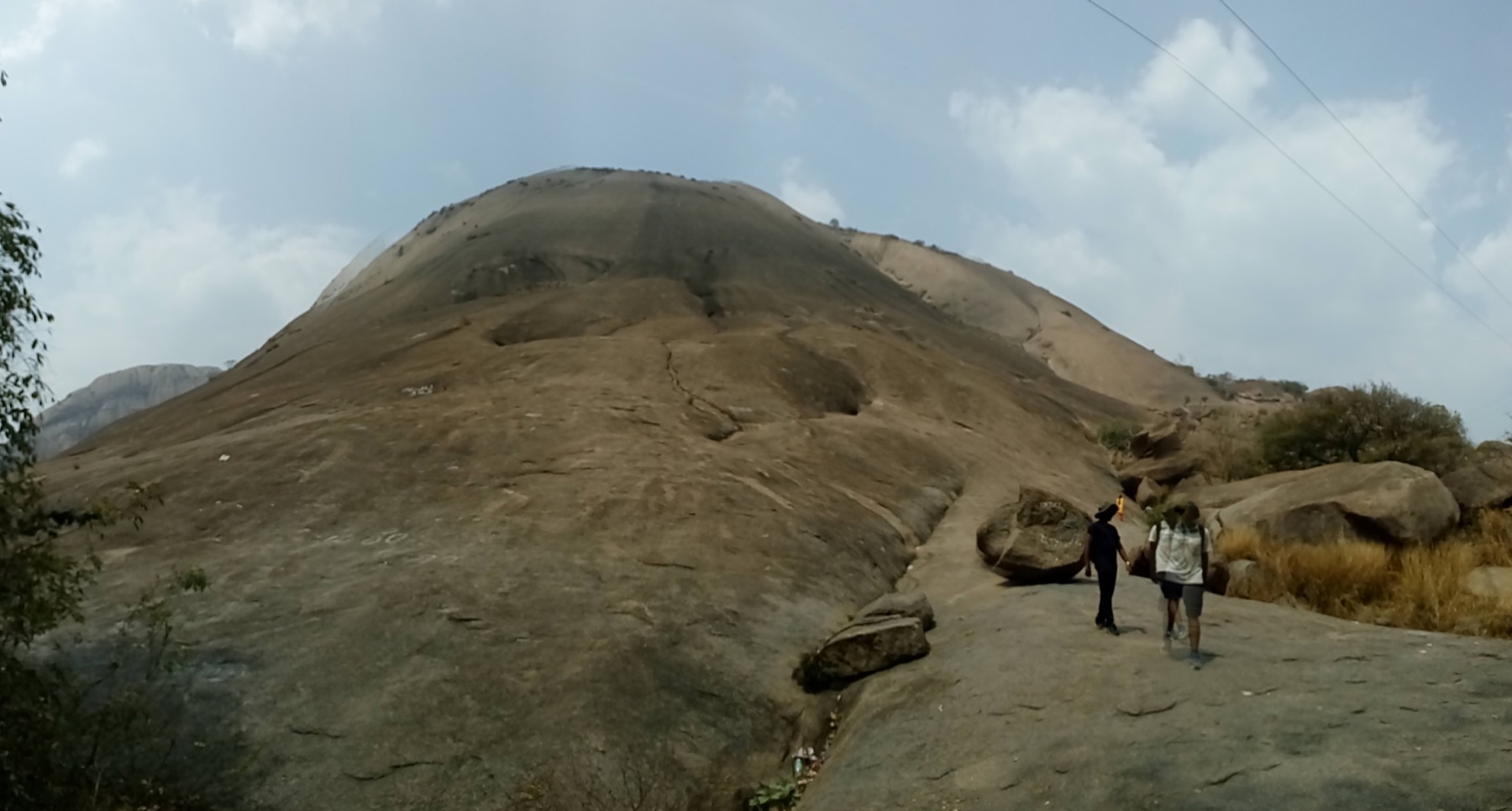
Treat the exposed granite as a real hike. Grip, heat, and descent deserve more attention than mileage.
Anthargange and Avani
Combine geology, small temple landscapes, and village-scale exploration without overloading one day.
Kunti Betta
Carry a torch only as backup, follow local access rules, and keep exposed sections for safe daylight.
Personal archive
Stone at dusk, mountains at first light
Before you go
Use the archive as a starting point, not a live timetable
Verify access
Check current monument, forest, and trail rules with official or local authorities.
Match season to route
Heat dominates exposed heritage sites; monsoon transforms both waterfalls and trail risk.
Protect the landscape
Carry back every wrapper and avoid noise, wildlife disturbance, or shortcuts across fragile ground.
Leave schedule margin
Bengaluru traffic, hill roads, and slow monument walks all punish an overpacked itinerary.
Evidence and context
Public trail and official reading
Firsthand review evidence comes from the public Google Maps review profile, the indexed Manmatha Tank review, Onake Abbi Falls review, and Taproom by Sherlock’s review.
Historical and destination context was checked against the UNESCO Hampi listing, Karnataka Tourism’s Hampi guide, Agumbe guide, and Kodachadri guide.